


Technology Adoption Made Simple
Adopting modern technology can be daunting for small businesses, but when done thoughtfully, it can transform operations, reduce inefficiencies, and enable growth. This guide explores practical steps to implement new tools without overwhelming teams or resources while ensuring long-term success. The strategies outlined will help small businesses embrace digital change with clarity and confidence.
Understanding Technology Adoption
Technology adoption is more than purchasing software. It involves assessing business needs, evaluating options, integrating tools into workflows, and training teams effectively. Proper adoption aligns technology with business objectives to improve efficiency and support growth.
Without clear planning, adoption can lead to wasted resources, underutilized tools, or disruption in daily operations. Small businesses need a structured approach to ensure every tool brings measurable benefits.
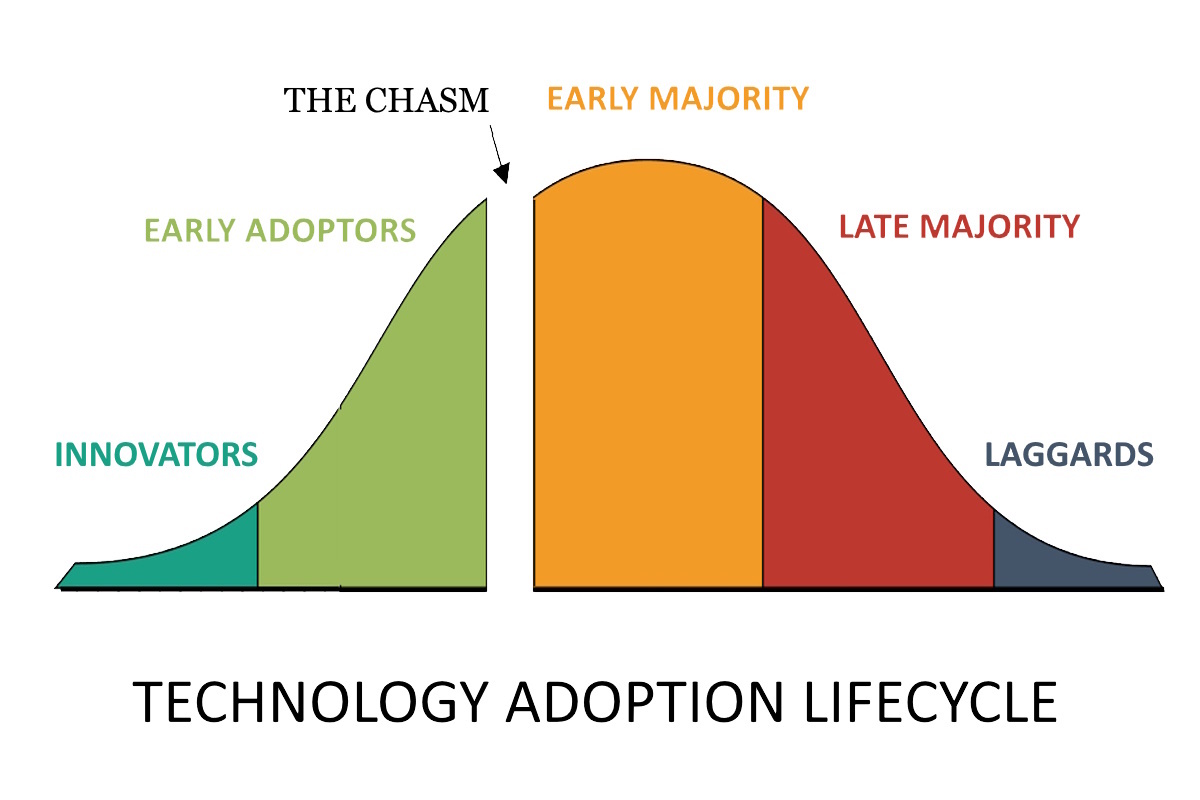
Successful adoption is a step-by-step process where teams gradually become familiar with new systems, building confidence and operational proficiency over time.
Identifying Business Needs
Begin by analyzing which areas of your business will benefit most from technology. This could include workflow automation, communication, customer management, inventory, or financial processes. Prioritize needs based on impact and feasibility.
Involve team members in discussions to identify pain points, challenges, and opportunities. Their input ensures adoption addresses real issues rather than assumptions made by management.
Clear identification of needs prevents overinvestment in unnecessary tools and ensures that technology adoption produces meaningful improvements.

Choosing the Right Tools
Evaluate software options that integrate well with existing systems and meet identified needs. Look for usability, scalability, cost-effectiveness, and support. Cloud-based solutions often provide flexibility and remote access advantages.
Avoid adopting multiple overlapping tools. Select solutions that cover multiple functions where possible to reduce complexity and training requirements.
Testing options through free trials or pilot programs allows teams to experience functionality and determine fit before full-scale implementation.
Integrating Technology into Workflows
Smooth integration ensures technology enhances workflows rather than disrupts them. Map existing processes and identify where the new tools will fit. Adjust workflows to leverage automation, data collection, and reporting capabilities.
Gradual integration allows teams to adapt comfortably. Provide guidance, clear documentation, and hands-on training to reduce resistance and maximize efficiency.
Integration is critical to ensuring technology becomes an enabler for productivity rather than a separate, underutilized system.
Training Teams for Success
Effective adoption requires team competence. Provide structured training sessions, reference materials, and ongoing support. Encourage feedback and questions to identify pain points and areas requiring additional instruction.
Teams that feel confident using new technology are more likely to embrace it fully, maximizing benefits for the business.
Assign technology champions within the team to lead adoption, share best practices, and provide peer support during the transition period.

Key Technology Adoption Tips
Start Small
Begin with high-impact tools and gradually scale adoption to prevent overwhelm.
Engage Teams Early
Include staff in evaluation and decision-making to ensure buy-in and practical insights.
Monitor and Adjust
Track performance, gather feedback, and refine adoption strategies for optimal results.
Measuring Adoption Success
Monitor metrics such as tool usage, efficiency improvements, error reduction, and employee satisfaction to gauge success. Compare pre- and post-adoption performance to assess impact.
Regular reviews allow businesses to identify gaps, provide additional training, and refine processes. Continuous evaluation ensures that technology adoption delivers sustainable value.
By measuring outcomes, small businesses can confidently expand adoption and achieve long-term growth benefits.
Ensuring Long-Term Success
Technology adoption is a continuous journey. Stay updated on new features, tools, and best practices to ensure systems remain effective. Regularly review workflows and update processes to leverage evolving capabilities.
Encourage a culture of learning and adaptability within the team to maximize technology’s potential.
Long-term success comes from consistent use, refinement, and aligning technology with evolving business goals.
Conclusion
Technology adoption can be simple and effective when approached with planning, structure, and clear guidance. Small businesses that invest in proper evaluation, integration, training, and monitoring will see tangible improvements in efficiency, productivity, and growth.
By following these strategies, businesses can adopt modern technology confidently and enjoy long-term operational and competitive advantages.