


Customer Management Best Practices
Managing customer relationships effectively is one of the most important responsibilities for any modern business. Strong customer management not only improves satisfaction but also builds long-lasting loyalty, increases retention, boosts referrals, and enhances overall business performance. Customers expect timely communication, personalized interactions, and seamless service across every touchpoint. To meet these expectations, businesses must adopt structured practices, data-driven strategies, and efficient customer management systems. This guide covers essential best practices that help businesses create consistent, meaningful, and impactful customer experiences that sustain long-term success.
The Importance of Effective Customer Management
Customer management is more than just handling inquiries or resolving issues. It is a strategic approach to understanding customer needs, maintaining healthy relationships, and fostering a customer-centric business culture. Businesses that prioritize strong customer relationships experience higher trust, greater brand loyalty, and reduced churn.
Effective customer management involves tracking every interaction, recording important customer details, and ensuring that each communication is timely and relevant. When businesses manage their customers well, they create predictable growth patterns, improved communication processes, and stronger internal workflows.
Businesses that consistently deliver good customer experiences stand out from competitors. The more personalized and organized the communication structure is, the stronger the customer connection becomes. This foundation forms the backbone of sustainable business growth.

Understanding Customer Needs Through Data
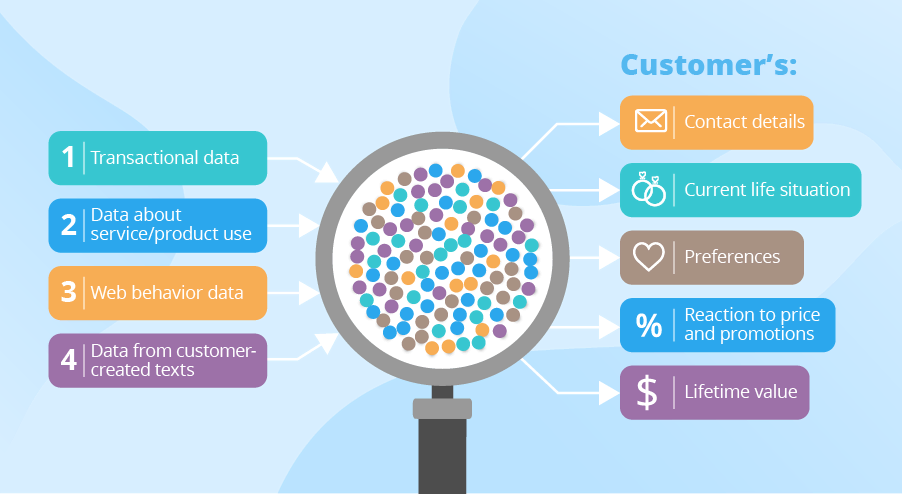
Customer needs evolve consistently. Understanding these needs requires a strong focus on data collection and analysis. Businesses should track preferences, purchase history, communication patterns, feedback, and behavioral triggers to create accurate customer profiles.
Data-driven insights allow businesses to personalize recommendations, tailor services, and deliver more meaningful customer experiences.
Collecting customer data is useful only when businesses analyze trends and apply them to daily operations. The more accurate the data, the more effective the customer management strategy becomes.
Building Trust Through Consistent Communication
Communication is at the heart of customer satisfaction. Customers feel valued when businesses respond quickly, provide relevant information, and maintain a friendly tone. Consistent communication reduces frustration and increases confidence in the business.
Whether through email, phone calls, messages, or automated notifications, every interaction should follow a structured process. Standardizing communication guidelines ensures accuracy and professionalism.
Transparent communication builds trust and encourages customers to continue engaging with the business in the long term.
Personalized Customer Experiences
Personalization is no longer optional. Customers expect businesses to understand their preferences, remember past conversations, and anticipate future needs. Personalization strengthens emotional connections and enhances loyalty.
Businesses can personalize interactions using customer data, segmentation, and behavior tracking. Small gestures like addressing customers by name or acknowledging past interactions create a meaningful impact.
Personalized experiences encourage higher retention and lead to better referrals.

Using Technology to Enhance Customer Management
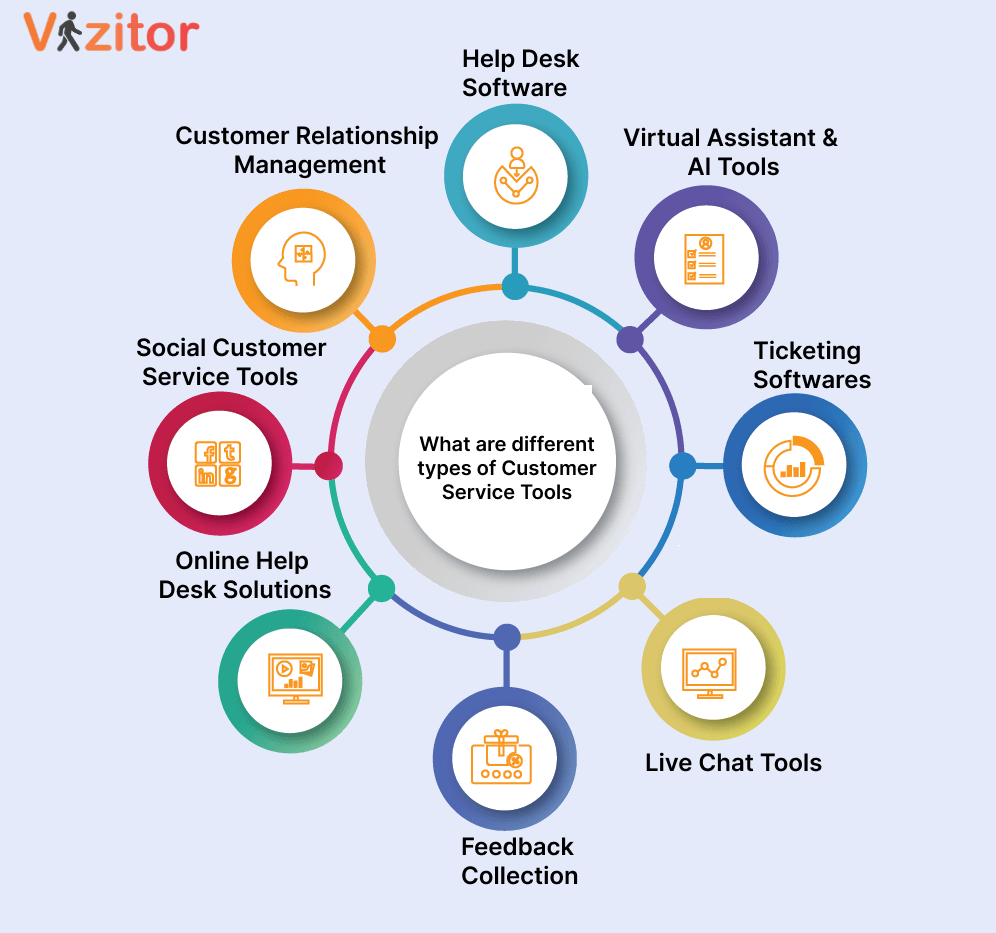
Technology plays a crucial role in modern customer management. CRM systems, automation tools, chatbots, and support platforms help businesses manage customer data, improve communication flow, and deliver consistent support.
Integrating tools such as email platforms, messaging apps, payment systems, and marketing software centralizes customer information and creates smoother processes.
When technology is used correctly, it reduces manual work, enhances productivity, and improves customer satisfaction significantly.
Handling Customer Issues with Care and Professionalism
No matter how efficient a business is, customer issues are inevitable. What matters is how quickly and professionally these issues are addressed. Customers appreciate honesty, empathy, and timely solutions.
A structured approach to issue resolution creates trust. Teams must document complaints, follow standardized processes, and ensure no customer concern goes unresolved.
Businesses that handle issues gracefully turn dissatisfied customers into loyal advocates.
Key Customer Management Principles
Customer-Centric Approach
Focus on the customer’s needs and expectations at every stage of the business relationship.
Consistency in Service
Ensure all customer interactions are smooth, timely, and standardized across every department.
Relationship Building
Develop long-term relationships through personalized communication and trust-building strategies.
Training Teams for Better Customer Management
Customer management success depends heavily on the quality of the team. Training ensures that all team members follow the same communication style, service standards, data-entry rules, and customer engagement strategies.
Teams must understand how to use tools effectively, maintain accurate records, and respond appropriately to customer concerns.
Measuring Success and Improving Continuously
Monitoring performance is essential to improving customer management practices. Tracking engagement rates, response times, customer satisfaction, and issue-resolution patterns helps businesses identify gaps and optimize strategies.
Continuous improvement ensures businesses remain customer-focused and competitive in a rapidly evolving digital world.