


Digital Strategy Planning for Small Businesses
A strong digital strategy is no longer optional. It is the core engine that allows small businesses to compete in global markets, improve operational efficiency, strengthen customer engagement, and create sustainable growth. This detailed professional guide explores the pillars, frameworks, tools, and execution models required to build a high performing digital strategy tailored specifically for small businesses that want actionable transformation instead of generic theory.
Understanding the Real Purpose of a Digital Strategy
Many businesses confuse digital strategy with simply creating a website or running a social media campaign. A true digital strategy defines how the organization will use digital channels, technologies, automation, data, and online experiences to achieve long term business goals. It influences decision making, team structure, investments, customer experience, and operational processes.
A successful digital strategy clarifies what the business wants to accomplish, identifies what digital solutions are required, and defines a clear implementation roadmap. It must align with revenue models, target audience behavior, financial capacity, and internal capabilities.

The Global Shift Toward Digital Centric Business Models
The market is shifting rapidly due to economic pressures, changing customer expectations, and increasing digital adoption. Small businesses can now reach global audiences, automate large parts of their operations, and adopt enterprise grade tools at affordable pricing. This shift encourages businesses to rethink the way they deliver value.
Customers now expect faster response times, seamless online experiences, consistent communication, transparent processes, and on demand support. Without a digital strategy, small businesses struggle to meet these expectations and risk losing market share to competitors who are more digitally aligned.
Building the Foundation: Assessing Your Current Digital Maturity
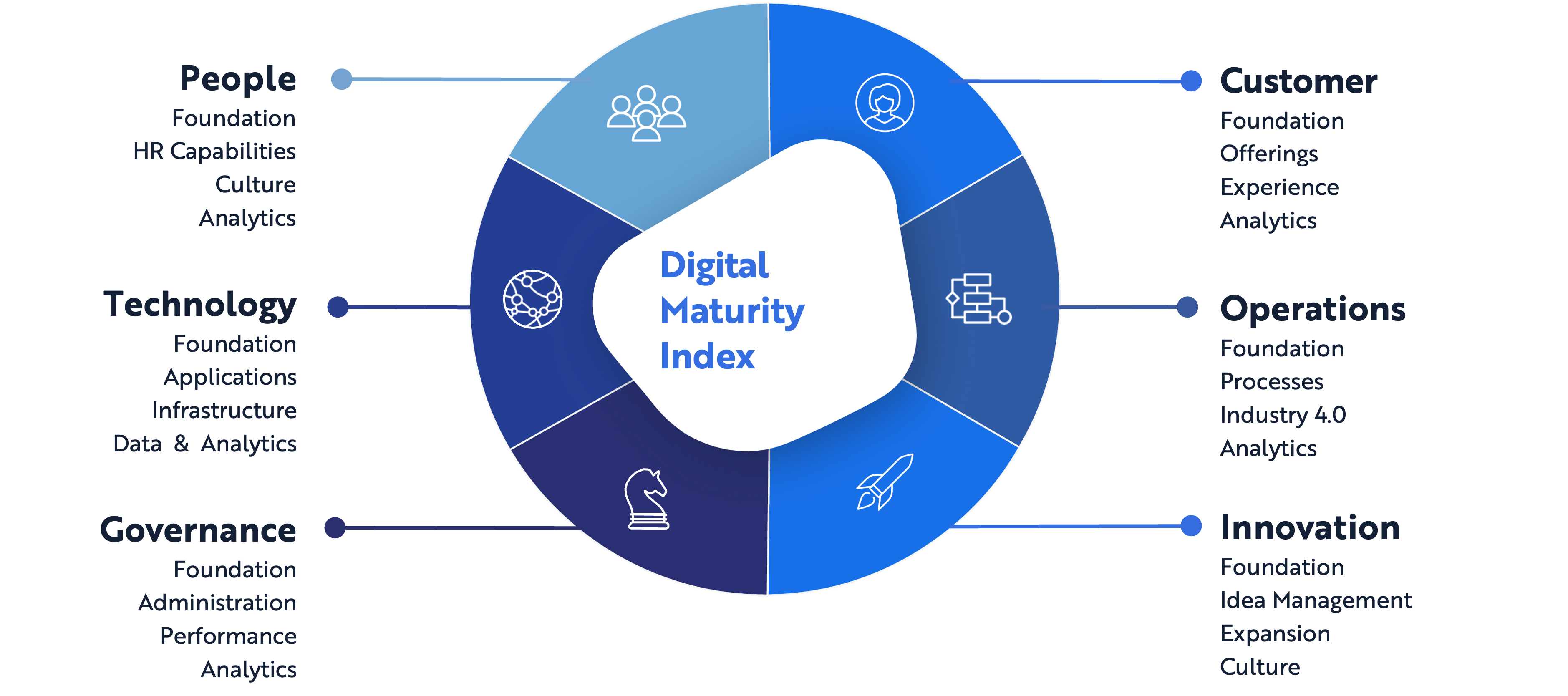
Before creating a strategy, it is essential to understand the current state of the business. This involves assessing customer touchpoints, internal processes, tools being used, the skills of the team, and the performance of existing digital assets. The goal is to identify what is working, what is outdated, and what must be transformed.
The digital maturity evaluation typically includes website performance, automation readiness, CRM adoption, workflow speed, data collection, competitor benchmarking, and customer experience mapping. This analysis ensures the strategy is built with accurate insights instead of assumptions.
Core Components of a High Impact Digital Strategy
Clear Business Objectives
Defining measurable objectives helps guide decisions and ensures all digital actions support long term goals such as revenue growth, customer retention, and productivity enhancement.
Customer Journey Mapping
Understanding customer interactions reveals gaps and opportunities in online experience, communication, and support systems across all channels.
Technology and Tool Selection
Choosing the right digital tools determines the efficiency, scalability, and automation potential of the business while minimizing future operational costs.
Why Digital Strategy Matters More for Small Businesses Than Ever
Small businesses no longer compete only with local competitors. They compete with digital first companies, automated service providers, and international brands. A strategic approach helps small businesses build differentiation, create personalized experiences, and adopt efficient systems faster than competitors with slower transformation cycles.
The strongest advantage small businesses have is agility. When a digital strategy is implemented correctly, they can innovate faster, implement tools quicker, and respond to market changes immediately without bureaucratic delays.
