


Latest Digital Trends for Businesses
The digital landscape moves quickly, and small businesses that stay informed about emerging trends gain a competitive advantage. New technologies, shifting customer expectations, and changes in how companies deliver services create opportunities for innovation and efficiency. Staying updated on digital trends helps businesses identify practical improvements, adopt the right tools, and position themselves for growth in an increasingly connected marketplace. This article highlights the most impactful trends small businesses should watch and how to make them work in real-world operations.
Artificial Intelligence and Intelligent Automation
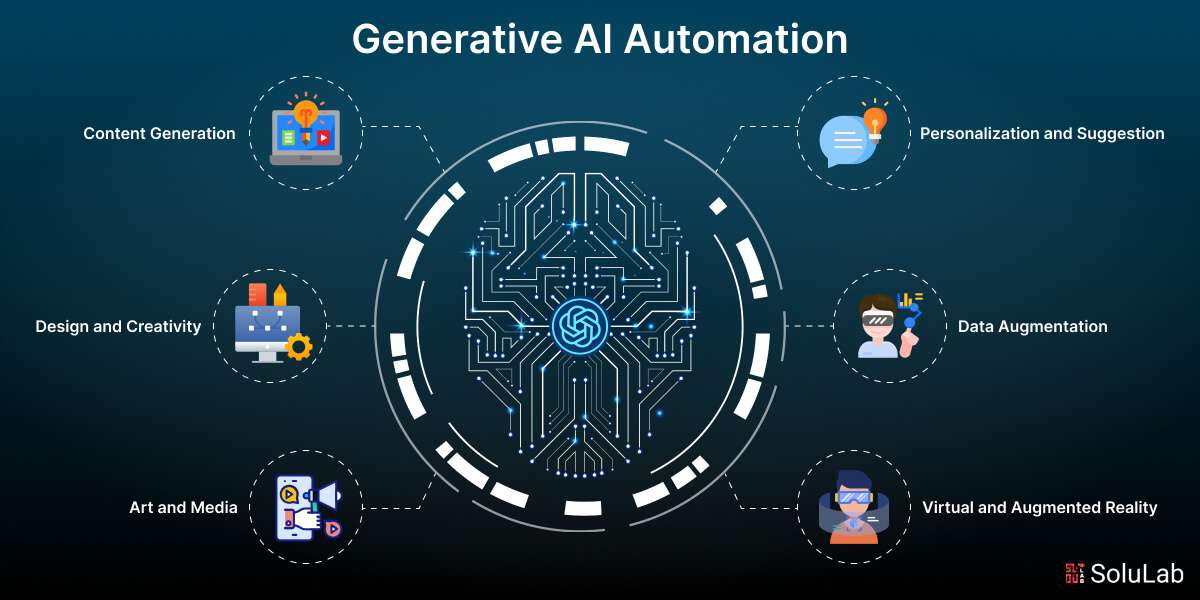
AI and automation continue to transform business operations, from customer support to backend workflows. Small businesses now use chatbots for first-line customer service, machine learning for smarter recommendations, and robotic process automation to eliminate repetitive tasks. These technologies reduce response times and free teams to focus on strategic activities.
Intelligent automation can be applied gradually — start with simple rule-based automations and scale to AI-driven workflows as data and capabilities mature. When implemented carefully, AI increases accuracy, speeds up processes, and enhances customer experiences without large upfront complexity.
It’s important to monitor outcomes and keep humans in the loop for decisions that require empathy, nuance, or creative problem solving.
Cloud-Native & Edge Computing
Cloud adoption remains central to digital transformation. More businesses are moving workloads to cloud platforms for reliability, scalability, and remote access. At the same time, edge computing brings processing closer to users and devices, reducing latency for real-time applications.
For small businesses, cloud-native services reduce IT overhead and improve disaster recovery, while edge solutions can enhance IoT applications and faster customer interactions. Choosing the right mix depends on latency needs, data sensitivity, and cost considerations.
Hybrid approaches that combine cloud and edge often deliver the best balance of performance and manageability for growing businesses.

E-commerce, Omnichannel, and New Sales Models
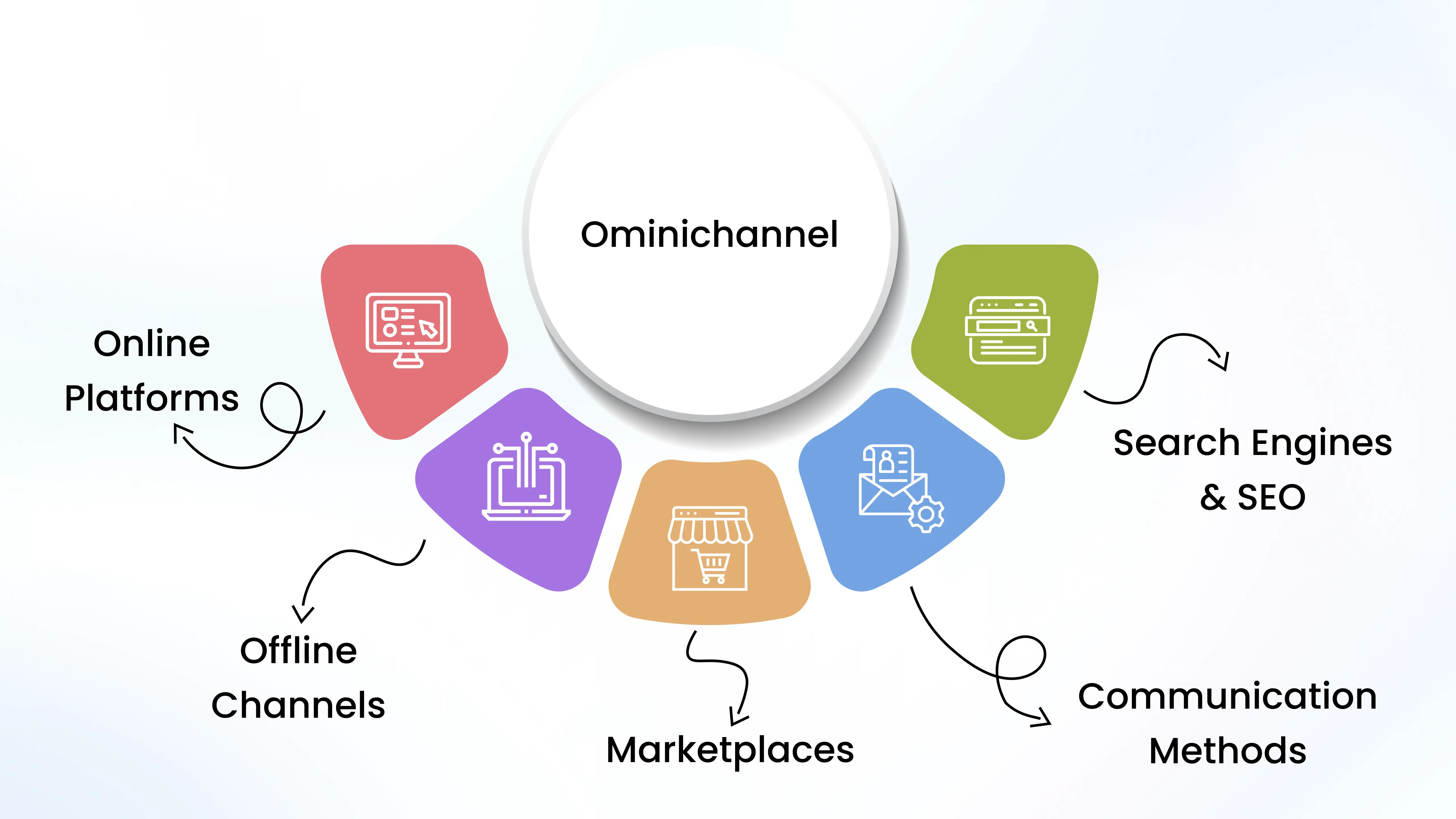
Digital commerce keeps evolving. Beyond traditional websites, businesses now sell across marketplaces, social channels, and via conversational commerce (chat and messaging). Omnichannel experiences ensure a consistent buying journey whether a customer purchases on mobile, desktop, or in person.
Subscription models, digital products, and micro-services (like pay-per-use) offer new revenue streams. Small businesses that integrate sales channels and centralize order management provide better customer experiences and reduce fulfillment errors.
Prioritize seamless checkout, mobile optimization, and clear post-purchase communication to boost trust and repeat business.
Data Analytics and Actionable Insights
Data-driven decision making separates reactive from proactive businesses. Analytics tools enable teams to measure customer behaviour, campaign performance, and operational efficiency. Small businesses can use dashboards and reporting to identify bottlenecks, optimize spend, and improve customer targeting.
Even modest analytics investments — like tracking conversion funnels or monitoring support ticket trends — yield significant returns. Over time, richer datasets support predictive insights and smarter resource allocation.
Ensure data privacy and compliance while collecting insights, and focus on a few high-impact metrics rather than trying to monitor everything.
Cybersecurity, Privacy, and Customer Trust
As businesses rely more on digital tools, cybersecurity and privacy become non-negotiable. Protecting customer data, using secure payment gateways, and maintaining strong access controls are foundational requirements. Small businesses are frequent targets for opportunistic attacks, so basic security hygiene is essential.
Implement multi-factor authentication, regular backups, and vendor reviews. Communicate transparently with customers about data use and privacy practices to build trust.
Investing in security prevents costly breaches and preserves brand reputation — both critical for long-term customer relationships.

Emerging Customer Experience Trends
Personalization at scale, conversational interfaces, and frictionless support shape modern customer expectations. Customers expect timely responses, relevant recommendations, and self-service options that resolve simple tasks without human intervention.
Companies leveraging user experience research, A/B testing, and faster feedback loops can continuously refine touchpoints and increase satisfaction. Small improvements in onboarding, checkout flows, or support responses often yield measurable improvements in retention.
Prioritize the customer journey end-to-end and remove points of friction that cause drop-offs or confusion.
Key Trends to Watch
Generative AI
AI-generated content, automated summarization, and personalized recommendations are reshaping workflows and marketing.
Low-code / No-code
Tools that enable rapid app creation and automation without heavy development lower the barrier to digital innovation.
Sustainability Tech
Technology that supports energy efficiency, responsible sourcing, and transparent supply chains is increasingly important to consumers and regulators.
Practical Adoption Strategies for Small Businesses
New trends can be overwhelming. Adopt a pragmatic approach: identify business challenges, pilot small projects, measure impact, and scale what works. Focus on simple automations, affordable cloud services, and integrations that reduce manual work.
Train teams early, document new processes, and use vendor sandboxes or free tiers to test solutions before committing to subscriptions. Partnerships with consultants or managed providers can accelerate adoption without large internal investments.
Keep the customer in focus — choose technologies that directly improve customer satisfaction or operational efficiency.
Measuring Impact and Continuous Adaptation
Track results using clear KPIs: customer lifetime value, churn rate, conversion rate, average resolution time, and operational cost savings. Regularly review performance and be prepared to pivot as new information emerges.
Continuous learning, experimentation, and incremental improvements help businesses stay resilient and benefit from digital trends without excessive risk.
The businesses that win are those that combine careful measurement with a willingness to evolve.